

Last updated: 2026-10-17
If you’re trying to shop around for lenders without hitting your credit score with a bunch of hard inquiries, Micro Loans Hub is a good place to start. Avant is better if you have a specific amount in mind for an installment loan, while OneMain Financial works if you’d rather walk into a branch and talk to a real person instead of dealing with a website.
At a Glance
| Criterion | Micro Loans Hub | Avant | OneMain Financial |
|---|---|---|---|
| Max Loan Amount | $50k | $35,000 | $30,000 |
| Min Loan Amount | $500 | See site | $1,500 |
| Starting APR | See site | See site | 11.99% APR |
| Loan Terms | See site | See site | 24-60 months |
| Funding Speed | See site | See site | As soon as 1 hour after signing |
| Physical Branches | No | No | Yes (1,300 branches) |
Loan Amounts and Accessibility
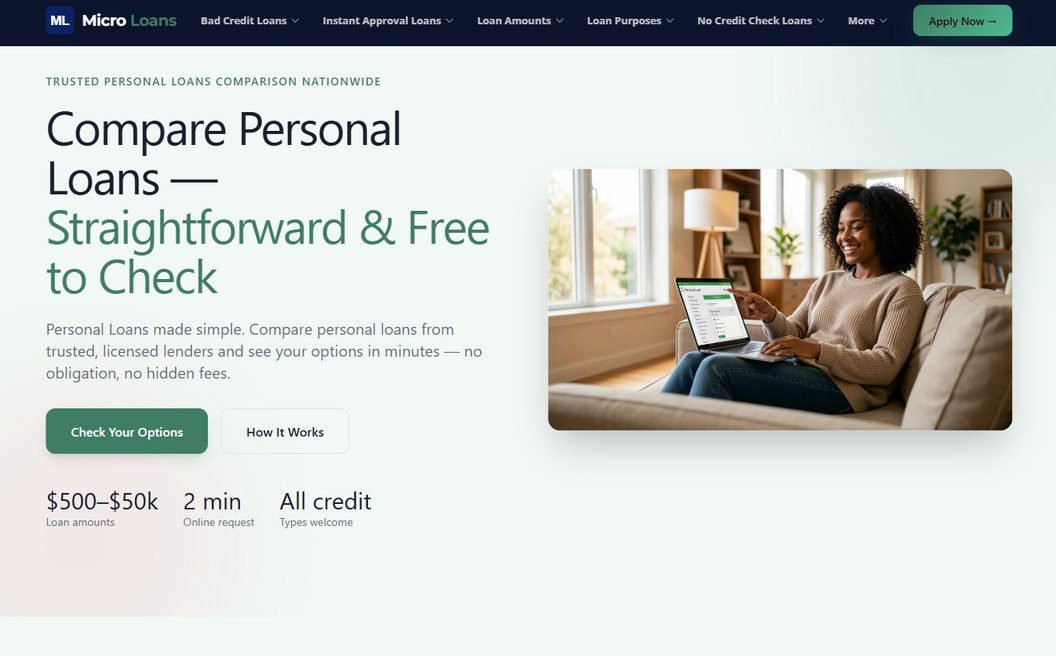
Micro Loans Hub covers the most ground. You can get a quick $500 fix or a much larger $50,000 loan, which is helpful if you aren’t exactly sure how much you’ll need. For instance, if you are facing a sudden medical bill or an unexpected car repair, a $500 to $1,000 micro-loan can bridge the gap until your next paycheck. On the other end of the spectrum, if you are looking to consolidate several high-interest credit card balances into a single monthly payment, the $50,000 ceiling allows for significant debt restructuring. If you’re looking for micro loans for bad credit, their system handles different credit profiles through a 2-minute request.
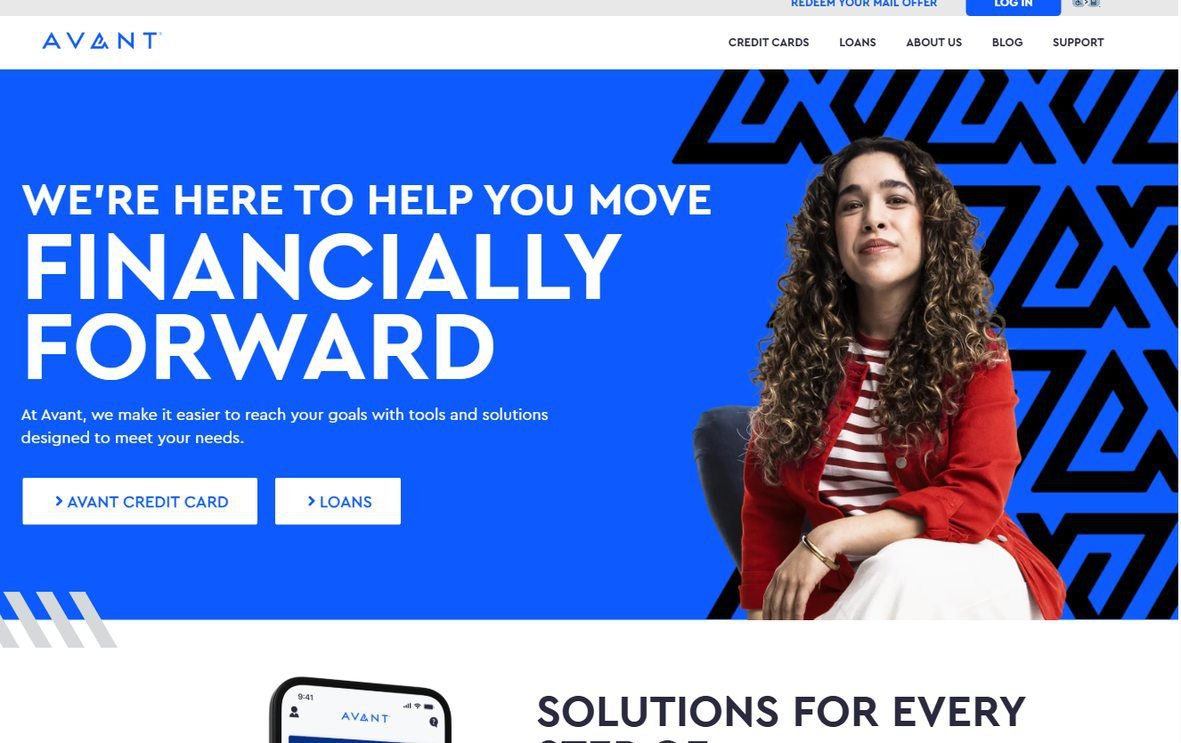
Avant sits in the middle. Their loans usually fall between $2,000 and $35,000. This range works well for things like debt consolidation or home repairs, but it’s not great if you need a tiny sum or a massive one. If you only need $800 to cover a utility bill, Avant’s minimum requirements might exclude you. Conversely, if you are looking for a major home renovation loan exceeding $35,000, you may find their limits insufficient. Their site says they offer solutions for “every step of your journey,” but their actual limits are tighter than Micro Loans Hub.
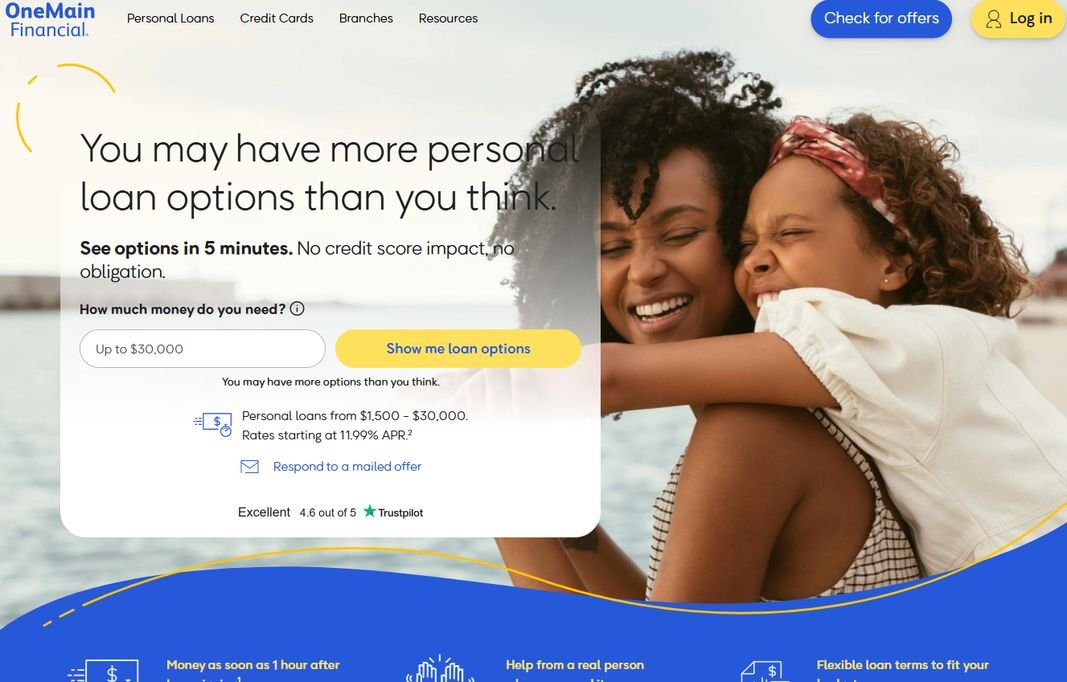
OneMain Financial is on the lower end for small needs, since you can’t borrow less than $1,500. Their cap is $30,000. This makes them less ideal for “micro” needs, like a small electronics purchase or a quick grocery budget gap, but quite effective for medium-sized emergencies. Even though they don’t go as high as Micro Loans Hub, they are fast; they claim money can hit your account as soon as one hour after you sign the paperwork.
The Application Process and Speed
Micro Loans Hub uses a comparison model. You fill out one form, and they connect you with a network of licensed lenders. It’s a practical way to see different options without being stuck waiting on a single bank. This process typically involves providing basic information like your income, employment status, and desired loan amount. Because it is a comparison engine, the speed depends on how quickly the partner lenders respond to your specific profile, but the initial inquiry is designed to be quick and shouldn’t affect your credit score during that first inquiry.
Avant is entirely digital. You do a 3-step online application and that’s it. This is built for anyone who wants to handle their money from a phone or computer without ever having to talk to a representative. You can typically complete the entire process from your couch, and because they are digital-first, their underwriting is heavily automated. They focus a lot on digital tools and credit cards to help people move forward.
OneMain Financial is different because they actually have offices. You can apply online and see your options in about 5 minutes, but they still have 1,300 branches. This hybrid approach offers a safety net for those who prefer human interaction. If digital-only banking feels frustrating to you, or if you have a complicated credit situation you want to explain to a “real person,” having a physical location to visit can be a big relief. For example, if you have non-traditional income sources like freelance work or side-hustles that are hard to verify through automated algorithms, sitting down with a loan officer can help you explain your situation in detail.
Understanding the Cost of Borrowing
When evaluating these three, you must look beyond the monthly payment and focus on the Total Cost of Loan. This includes the principal amount plus all interest and any potential origination fees. For example, a $5,000 loan with a 20% APR over 36 months will cost significantly more than a $5,000 loan with a 12% APR, even if the monthly payments seem manageable in both scenarios. Always check if the lender charges an origination fee, which is a one-time fee deducted from your loan proceeds upfront.
Comparison shopping is vital because interest rates are highly volatile. A difference of just 2% in your APR can result in hundreds or even thousands of dollars in extra interest over the life of a five-year loan. Before signing any agreement, ask for a “Truth in Lending” disclosure, which is a standardized document that clearly breaks down the APR, the total finance charge, and the total amount you will have paid back by the end of the term.
Interest Rates and Terms
OneMain Financial is one of the few that actually says what their starting APR is: 11.99%. You get fixed monthly payments with terms between 24 and 60 months, which makes budgeting easier. Fixed rates are a major advantage because your payment will never change, regardless of what happens in the broader economy. Just keep in mind that “starting at” rates are for the best borrowers. Most people with bad credit will see much higher numbers.
Micro Loans Hub and Avant don’t list starting APRs on their homepages because your rate depends on the specific lender in their network and your own profile. Generally, bad credit personal loans can have rates under 36% according to Bankrate, but you’ll need to see your actual offer to know for sure. If you have no credit history at all, Oportun is another way to get funds quickly, which is a different approach than the comparison model Micro Loans Hub uses.
Micro Loans Hub
Pros:
- Highest potential loan amount up to $50,000.
- Wide range of loan sizes starting at $500.
- Fast 2-minute online request.
- Comparison model allows you to see multiple offers.
Cons:
- You are seeing offers from a network, not one single lender.
- Terms and rates are not transparently listed upfront.
Avant
Pros:
- Simple 3-step online process.
- Specific options for debt consolidation and emergency loans.
- Digital-first approach for convenience.
Cons:
- Lower maximum loan amount than Micro Loans Hub.
- Minimum loan amount is higher than Micro Loans Hub.
OneMain Financial
Pros:
- Extensive branch network for in-person support.
- Very fast funding (up to 1 hour after signing).
- Fixed monthly payments with clear terms.
Cons:
- Minimum loan amount is $1,500.
- Maximum loan amount is capped at $30,000.
Which one should you choose
If you want to see as many options as possible without a ton of paperwork, pick Micro Loans Hub. It’s the best bet if you need a small amount (like $500) or a very large amount (up to $50k) and want a comparison engine to do the work for you.
If you like a strictly digital experience and have a specific goal like debt consolidation or home improvement, pick Avant. Their 3-step process is built for people who want to do everything on their phone.
If you hate the idea of “talking to a computer” or if your credit situation is complicated and you want to explain it to a human, pick OneMain Financial. Their 1,300 branches and the possibility of 1-hour funding make them a good choice if you want physical access and quick disbursement.